- TOP
- AWARD
About Japan Sustainable Seafood Award
The Japan Sustainable Seafood Award (JSSA) was launched in 2019 to further accelerate the sustainable seafood movement in Japan.
JSSA recognizes initiatives that promote sustainable fisheries and increase awareness of sustainable seafood. Outstanding projects are selected as finalists and from them, a champion is selected for each award category.
To further expand the award’s scope across Asia, JSSA 2026 will have a brand new Asia Category.
The 7th Japan Sustainable Seafood Award
(JSSA 2026)
Categories
Initiatives that promote sustainable fisheries and seafood in Japan and/or other parts of Asia will be selected.
-
Japan Category
This category is open to projects implemented by organizations or individuals based in Japan. Only self-nominations in Japanese will be accepted. (Projects will be reviewed comprehensively, whether implemented independently or in collaboration with other organizations or individuals. Leadership and Collaboration, the two categories for JSSA 2025, will not be available this year.)
-

Asia Category
This category is open to projects implemented by organizations or individuals based in Asia (excluding Japan). Applications must be submitted in English by a third-party nominator, and therefore self-nominations (by project implementers themselves) will not be accepted. (Projects will be reviewed comprehensively, whether implemented independently or in collaboration with other organizations or individuals.)
How to Apply
Application
April 17–July 10, 2026
Eligibility
For the Japan Category, project implementers (organizations or individuals) may apply directly. For the Asia Category, only external nominators (organizations or individuals) of the project may apply.
Categories
(1) Japan Category
Scope: Projects implemented by organizations or individuals based in Japan AND are currently ongoing or have been completed in Japan and/or other parts of Asia.
Note: Applicants must nominate themselves and submit their applications in Japanese. Selection will be based on the JSSA 2026 Selection Guidelines.
(2) Asia Category
Scope: Projects implemented by organizations or individuals based in Asia (outside Japan) AND are currently ongoing or have been completed in Japan and/or other parts of Asia.
Note: Applications must be submitted in English by external nominators. Self-nomination will not be accepted. Selection will be based on the JSSA 2026 Selection Guidelines.
Selection Process
Document review
Applications will be read, reviewed and discussed by the Selection Committee to select finalists and a champion for each category.
(Click here for the evaluation criteria)
How to Apply
Please apply using the dedicated application form:
https://form.jotform.com/260750710451449
- You can attach project documents and photos in addition to filling out the application form.
- Please submit several photos that clearly show your activities. If selected as a finalist, your activities and photos may be featured on our website and social media. (Photos included in attached documents are also acceptable.)
Schedule
Application period: April 17–July 10
Selection process: July 21–late September
Announcement of finalists: September 29
Announcement of champions and award ceremony: October 21
- The finalists will be announced on this web page.
- All finalists will be asked to give short presentations on their work during the award ceremony. (Details will be provided to finalists.)
- The award ceremony will be held on Wednesday, October 21, 2026, at the Sustainable Seafood Summit 2026 (TSSS 2026) in Tokyo, Japan.
- Champions will be featured in Seafood Legacy Times (operated by Seafood Legacy Co., Ltd.)
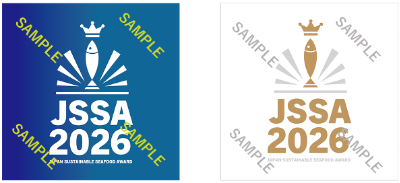
- Champions will be allowed to use the official JSSA champion logos for their own communication purposes.
Selection Committee
Mitsutaku Makino, Atmosphere and Ocean Research Institute (AORI), University of Tokyo / Ocean Policy Research Institute, Sasakawa Peace Foundation (OPRI-SPF)
Satoshi Matsumoto, Japanese Consumers‘ Co-operative Union (JCCU)
Mari Yoshitaka, Virtue Design
The History of JSSA

Finalists and Champions to Date
The information of each project is from that time.
-
6th2025
-
Leadership Award
ChampionThe Shakotan Method: A Positive Cycle of Restoring Sea Urchin Populations and Blue Carbon Cycles by Restoring Resource-circulating Kelp Beds
Blue Carbon Restoration Project Council of Shakotan
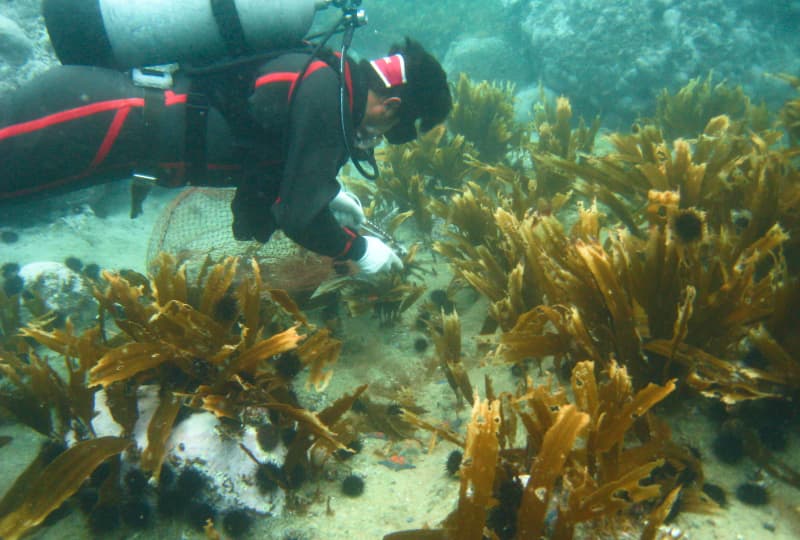
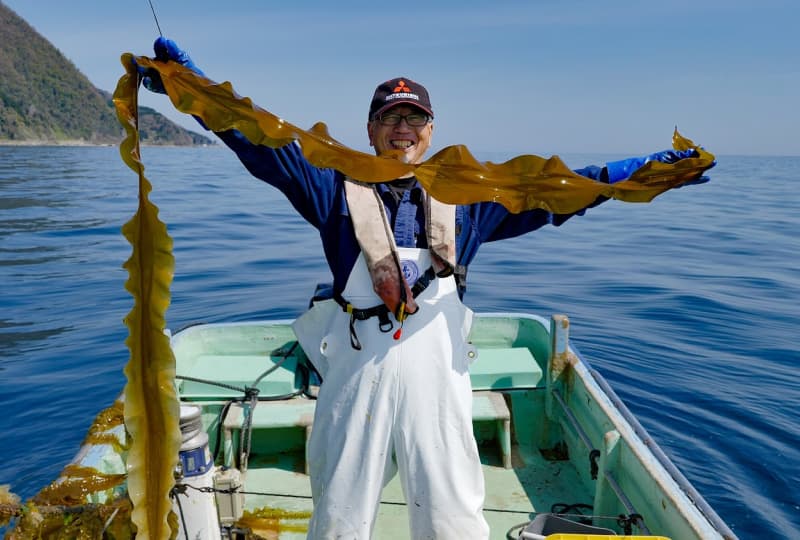
In Shakotan, a small coastal town in Hokkaido, the loss of kelp beds due to ocean desertification once led to a sharp drop in sea urchin production, significantly impacting both fisheries and tourism. In 2009, local fishers started to restore kelp beds of the species Saccharina japonica var. religiosa (known as "hosome kombu" in Japanese). In 2019, they developed the Shakotan Method, which is a unique method that uses discarded sea urchin shells as fertilizers for kelpbed restoration.
Read Interview
By 2023, the project had restored about 1.5 hectares of kelp beds, leading to an increase in processed sea urchin production by 444 kg, which resulted in a 35.5-million-yen increase in revenue. This also led to a 6.4-ton reduction of CO₂ emission. This was certified by the J Blue Credit scheme, allowing for proceeds from credit sales to be used for further kelp-bed restoration. This circular model—reducing waste, restoring resources and generating economic benefit at the same time—is the first of its kind in the world and has attracted a lot of attention .
Today, the project has evolved into a core umigyo* initiative, managed by a public-private council. From 2025 onward, it aims to expand kelp-bed restoration and fertilizer production while working on local-community revitalization and measures against climate change through collaboration with the ecotourism industry.
*Diverse local economic activities collaboratively carried out by local fishers, fisheries organizations and other community members in order to address a range of challenges around fisheries, maritime and coastal communities today.
Further informationCollaboration Award
ChampionSuisan Mirai Summit: Fisheries Frontline Workers Shaping the Future of Japan's Oceans
Suisan Mirai Summit Committee
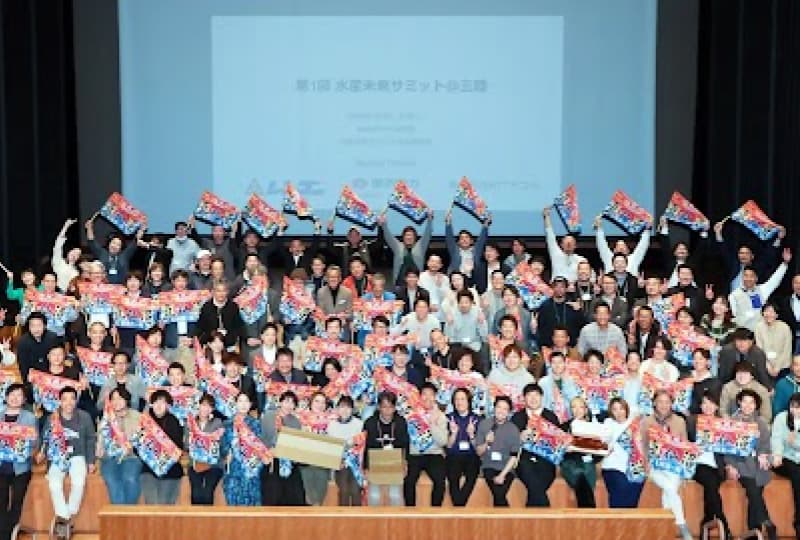
Suisan Mirai Summit is a collaborative professional retreat that brings together diverse stakeholders—from fisheries operators, seafood companies, local governments, researchers to NGOs.Participants actively discuss ways to transform the future of Japan's oceans from the frontline of fisheries, covering major challenges such as resource depletion, IUU fishing and marine environmental degradation.
Read Interview
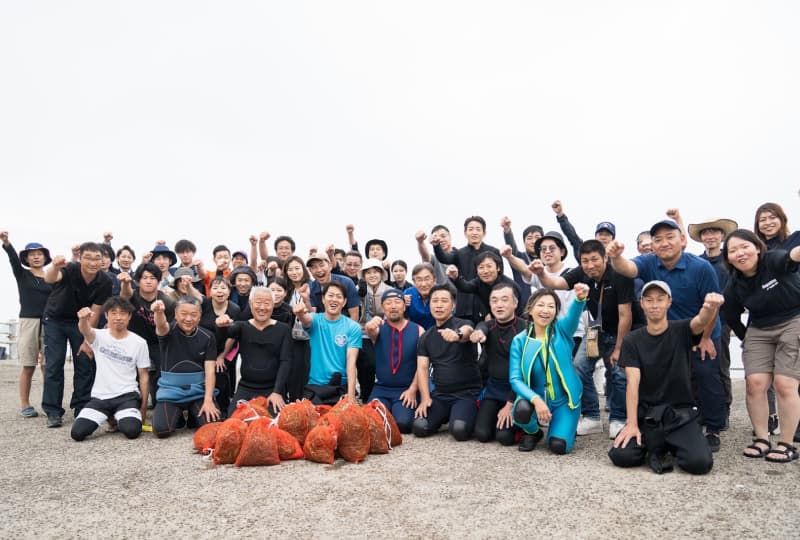
The summit stands out not only as a platform for knowledge sharing across different regions and fisheries but also for translating discussed ideas into concrete actions: around 200 stakeholders joined the second summit, held in Tarumizu, Kagoshima, in 2025, and 22 projects were launched. Policy proposals were produced as well. These were submitted to policymakers, leading to a budget-allocation increase for resource management and research.
The self-funded, independent nature of the summit and the genuine dialogue that it fosters among a wide range of participants–from women fishers, business leaders to specialists of social-issue solving–have lead to the launch of numerous collaborative projects. The third summit will be held in Noto, Ishikawa, in March 2026. The project aims to achieve nationwide fisheries reform by 2030.
Further informationSpecial Award
Indonesia Shrimp Aquaculture Improvement Project (AIP) – Phase III
Japanese Consumers' Co-operative Union (JCCU)
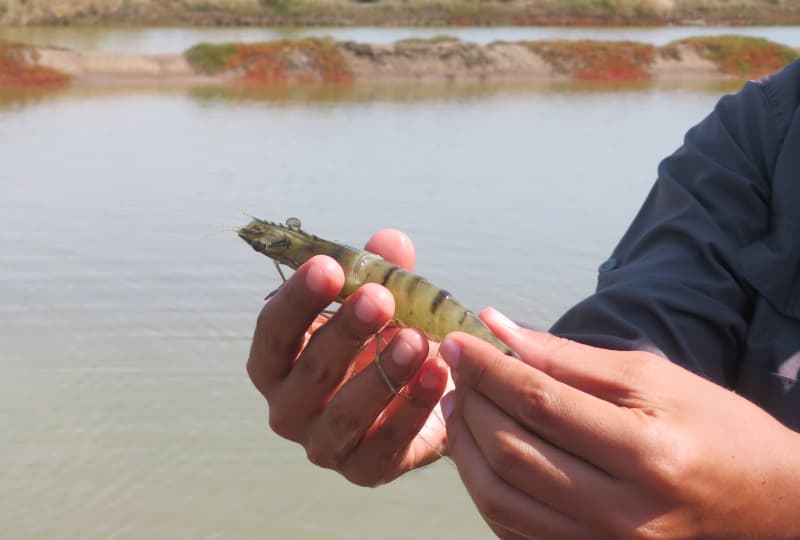
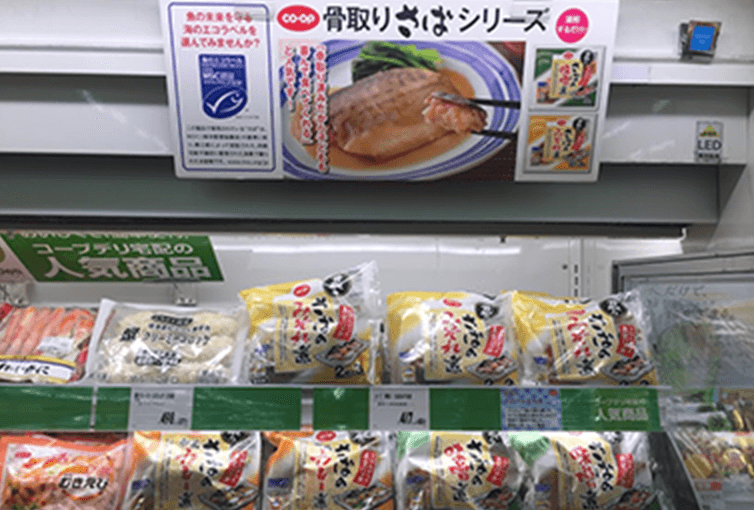
The Japanese Consumers' Co-operative Union (JCCU), in collaboration with local shrimp processors, WWF Japan and WWF Indonesia, has been collaborating on sustainable black tiger shrimp farming that addresses both environmental and social issues. The project began in July 2017 and is now in its third phase.
Read Interview
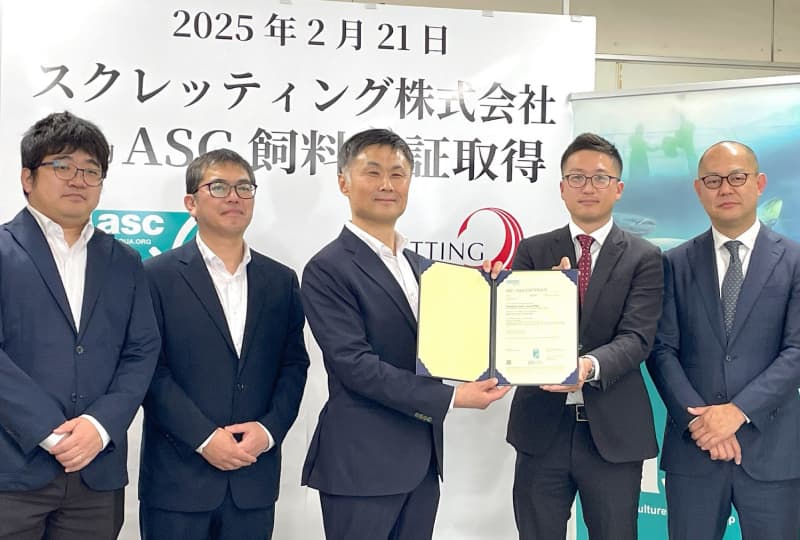
In South Sulawesi and Central Java, aquaculture practices were improved to meet ASC standards. In March 2024, a farm in Central Java became ASC-certified, and ASC-labeled products were launched later that year in October. Currently, shrimp ponds of four producers, totaling 11.1 hectares, are certified and the project aims to increase this to 100 hectares and over 30 producers by June 2026. ASC standards require a survival rate of 25% or higher (from rearing pond to harvest) and the largest challenge was to meet this requirement. Through this project, the rate has improved from the initial 7–13% to the current 24–27%.
In Aceh, the project has supported improvements in broodstock fisheries, resulting in a fisheries management plan officially approved by the provincial governor. Today, about 30% of fishers in key fishing villages are licensed to catch broodstock.
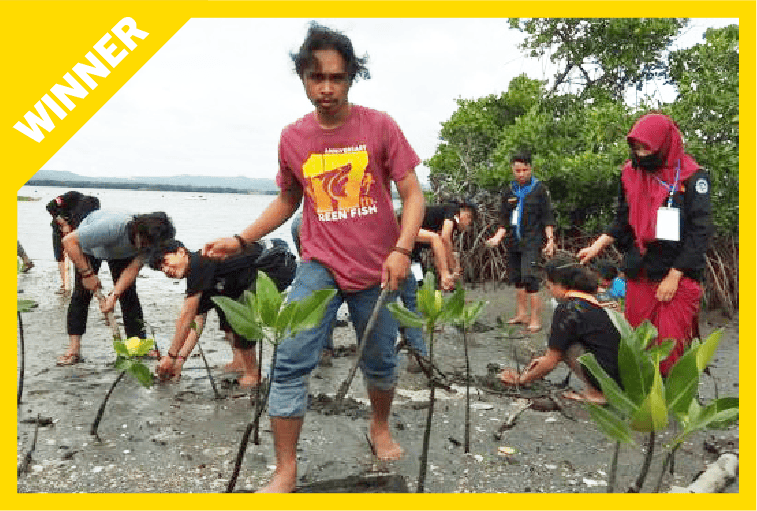
Mangrove restoration efforts have so far covered 25.4 hectares, with successful root establishment confirmed on 16.2 hectares.
Through these efforts, the project aims to balance ecosystem conservation with improvements in local livelihoods, working toward the establishment of a sustainable fisheries model.
Further information2025 Winners and FinalistsFinalists
-
-
5th2023
-
Leadership Award
ChampionBuilding a platform to "Enrich the world's oceans from Kita- Sanriku
Kita-Sanriku Factory
moova
"Isoyake," known as the desertification of the ocean, is a serious environmental and social issue in various countries, including Japan. It is caused by environmental changes such as global warming and is characterized by the overpopulation of sea urchins, which leads to the destruction of seaweed bed.
Read Interview
At the Kita-Sanriku Factory, we are working for "Sea Urchin Regeneration and Cultivation" to transform lean sea urchins, which have suffered due to the isoyake, into delicious sea urchins rather than disposing of them. We also promote "Seaweed bed restoration" using compost blocks made from sea urchin shells.
However, the awareness of the global issue of ocean desertification is still low, and to address the increasingly critical situation, we believe that more effort and innovative ideas are required. Therefore, we have established a platform that connects people and communities from various fields, not just those in the seafood industry, to take collective action in confronting this challenge.U-30 Award
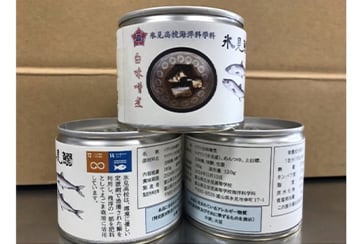
ChampionDeveloping future leaders through research projects of unused fishery resources
Miya Fisheries High School, Yamasa Chikuwa Co., Ltd., and Aichi Prefecture Freshwater Aquaculture Cooperation
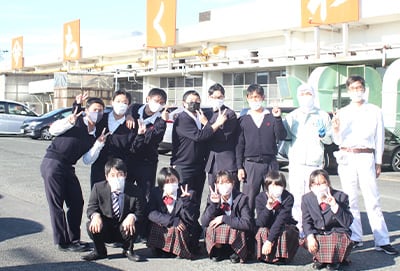
In collaboration with Yamasa Chikuwa, our school has developed "Satsuma-age" (a type of deep-fried fish cake) using golden shrimp harvested by the Nishiura Fishermen's Cooperative in Gamagori City. Golden shrimp is a deep-sea shrimp that can be challenging to peel, and it is sometimes discarded even if caught. Although processing is labor-intensive, when heated, these shrimp display a vivid red color, making them particularly distinctive (they appear pale red when raw but become more vibrant when cooked). We have looked at the color change and turned the powdered shrimp into surimi, which is then provided to local school lunch programs and other initiatives.
Read Interview
By collaborating with local businesses to process locally-caught seafood, we aim to spark students' interest in the seafood industry and nurture the next generation of professionals. This project not only promotes local sustainability but also educates and engages students in the importance of local seafood production.Special Award
Sustainable fisheries through complete order-based fishing
Kunimi-maru
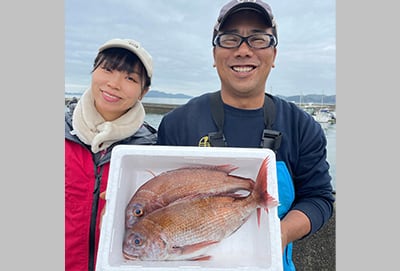
Our business concept is a sustainable fishery with the concept of "Your Exclusive Fisherman," which is the first of its kind in Japan, known as "Complete Order-based Fishing." It is a novel fishery system that incorporates a made-to-order production from nature by using e-commerce sites and social media to accept built-to-order from consumers.
Traditionally, fishermen catch fish at their convenience and supply them to the market. Our "Complete Order-based Fishing", on the other hand, is the opposite of the conventional fishing system. It represents a new business model that can address current challenges in the fishing industry, such as overfishing of fishery resources, price instability, overworked fishermen, and a shortage of successors.
"Complete Order-based Fishing" aims to bring innovation to the fishing industry while preserving resources for the future. We are currently in the process of applying for the prefecture's business innovation plan.2023 Winners and FinalistsFinalists
-


-
4th2022
-
3rd2021


-
2nd2020

-
1st2019